The Geography of Connection
The Geography of Connection is an ongoing practice of noticing the small moments between people, between a person and a place, between the roles we inhabit and the selves we carry within them, and between the objects we hold and the memories they contain.
Sometimes that noticing happens in marketplaces or classrooms, kitchens or city streets. Other times, it appears at home, at work, or in passing conversations. And sometimes it happens in moments that might otherwise go unnoticed.
Across these moments, I pay attention to what belonging looks like—how it appears through posture, movement, and behavior, and how it shifts across environments.
Four years ago, I took my first trip across the Atlantic. Before that, my life revolved around work and raising my family. I didn't realize how much of myself I'd lost along the way.
Thirty countries later, I'm preparing to spend a year traveling across Africa. This isn't just about seeing the world. It's about discovering what comes next.
Hear my story here: I’m 53, and leaving the life I know
The Project: Africa 2027
Leaving at the end of December, I will spend a year traveling through West, North, East, and Southern Africa, following the questions of what belonging looks like — in communities, cultures, and everyday encounters.
This is not an attempt to capture or explain a continent. It is a path through particular places, each with its own histories, languages, communities, and ways of life.
I’ll look for belonging in the ordinary places where it is created and contested—in homes and marketplaces, volunteer communities and temporary friendships, moments of welcome and moments when difference cannot be ignored. I’ll also examine what I carry with me: my own expectations, identities, habits, and ideas about where and with whom I belong. Documenting when I feel connected, when I remain outside, what I misunderstand, and how my expectations shape what I see.
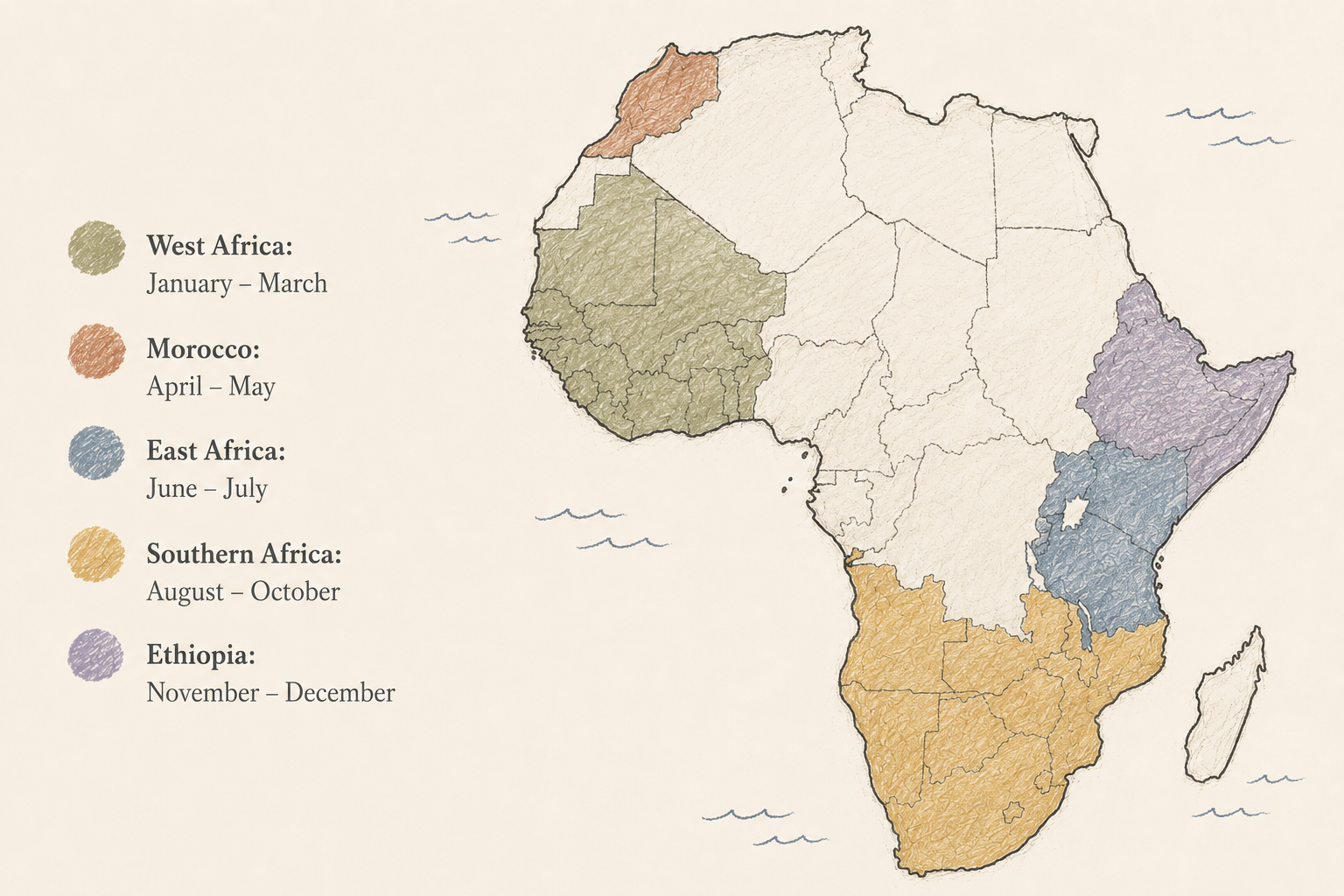
This project will combine longer stays with periods of movement. At different points, I will live in neighborhoods, volunteer with community and conservation organizations, travel overland, and undertake physical challenges—including climbing Mount Kilimanjaro.
Some experiences have been planned carefully. Others will emerge only after I arrive. The route provides the structure; what happens within it will shape the work.
Follow the Project
Africa 2027 will unfold across several forms: field notes written close to the moment, narrative essays that allow the questions to deepen over time, and videos that document the physical and everyday realities of the project.
Designing a Place-Based Inquiry documents the questions, choices, preparations, and uncertainties shaping the project before departure.
Stories from the Field holds narrative essays about belonging, identity, and the encounters that give the larger inquiry its meaning.
The Travel Log records the places, routes, and movement of the project.
My YouTube Channel, The Geography of Connection, will offer a more immediate view of the experience—from preparing for Kilimanjaro to the ordinary, difficult, surprising, and occasionally ridiculous moments of spending a year in motion.
The Gambia River Crossing I Haven’t Forgotten

Support the Project
Africa 2027 is an independently created writing and documentary project. Contributions help support the practical work of documenting the year, including local transportation, extended stays, equipment, and the time required to write and produce the work.
If you would like to help make the project possible, you can contribute once or become a monthly supporter.