About Tracy
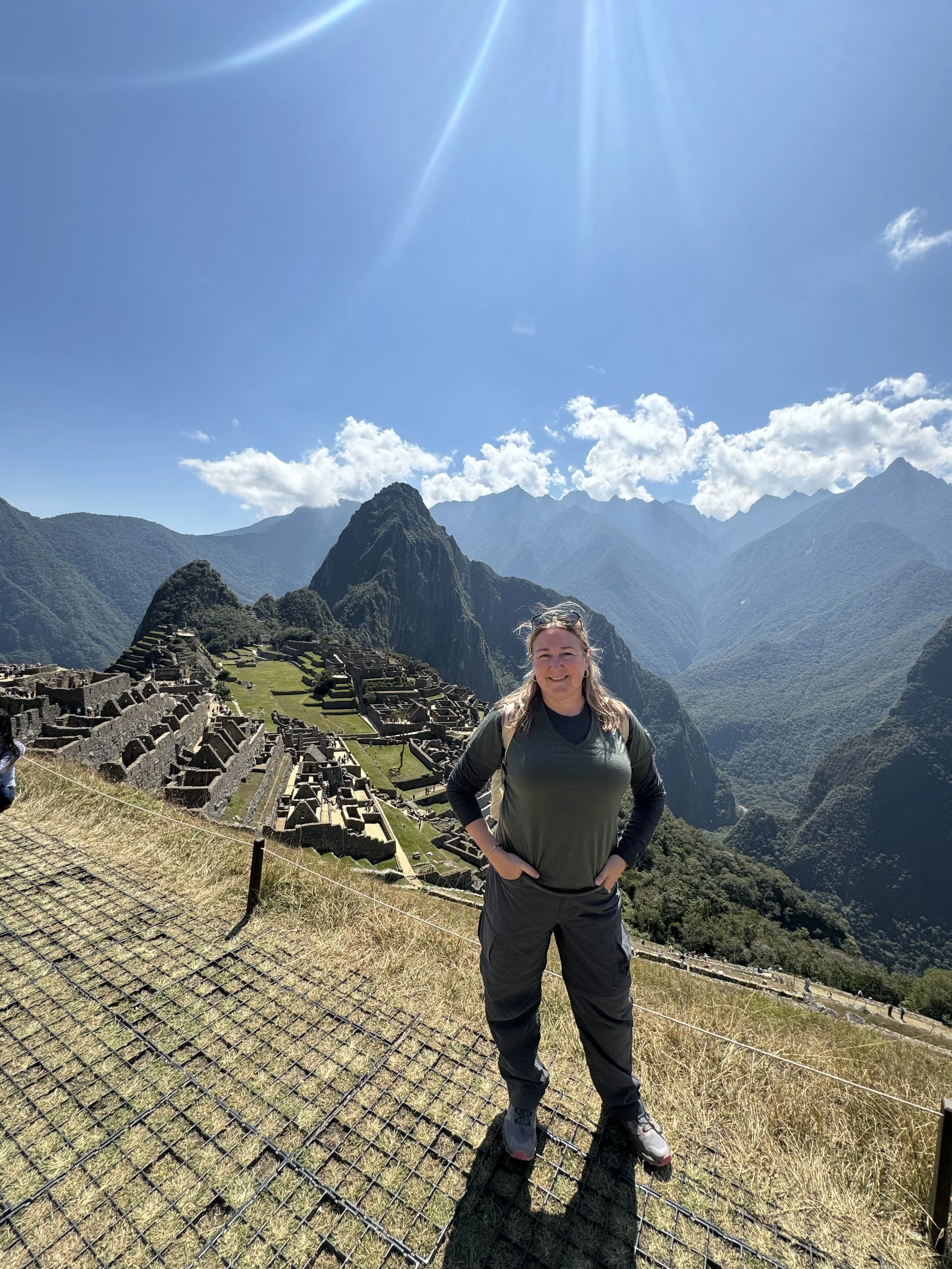
Tracy Smith, Ph.D. is a narrative nonfiction writer and designer of Africa 2027, a year-long journey exploring what belonging looks like across places, communities, and everyday encounters.
Leaving at the end of December, she will travel from West Africa and Morocco through East and Southern Africa, ending the year in Ethiopia. Through field notes, narrative essays, and video, she will document the connections she observes, the relationships that form, and the ways her own understanding of belonging changes along the way.
Drawing on a background in educational psychology, Tracy combines field observation, lived experience, and personal narrative to examine how people relate to one another and build lives within families, communities, and institutions.
She is the author of The Purpose of Getting Lost, a memoir that began her exploration of movement, identity, and belonging. Across more than 35 countries and five continents, travel became the terrain where many of these questions first surfaced.
Africa 2027 is the newest and most expansive expression of The Geography of Connection, the larger body of work Tracy created to follow these questions wherever they appear.
The Geography of Connection
The Geography of Connection is an ongoing practice of noticing the small moments between people, between a person and a place, between the roles we inhabit and the selves we carry within them, and between the objects we hold and the memories they contain.
Across these moments, she pays attention to what belonging looks like—how it appears through posture, movement, and behavior, and how it shifts across environments.
Sometimes that noticing happens in marketplaces or classrooms, kitchens or city streets. Other times, it appears at home, at work, or in passing conversations. And sometimes it happens in moments that might otherwise go unnoticed.